Apartment Complex Painting: Curb Appeal & Leasing ROI
For property managers and owners, apartment complex painting is one of the highest-ROI investments available. From rapid unit turns that minimize vacancy loss to exterior transformations that boost rental rates, strategic painting programs directly impact your bottom line. This comprehensive guide covers everything you need to maximize curb appeal and leasing performance.


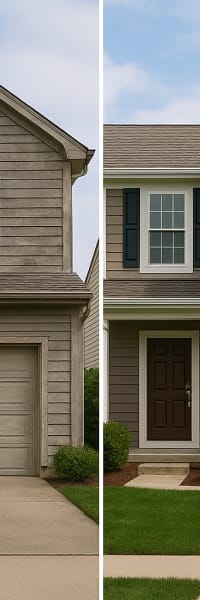
Key Takeaways for Property Managers
- Fresh paint increases rental rates by 5-12% on average
- Properties with superior curb appeal lease 15-25% faster
- 24-48 hour unit turns minimize vacancy loss
- Volume contracts reduce per-unit costs by 15-25%
- Annual maintenance programs extend full repaint cycles by 3-5 years
Section 1: Curb Appeal and First Impressions
In multifamily housing, first impressions happen in seconds. A prospect's decision to schedule a tour, continue driving, or click to the next listing is often made before they ever see a unit. Curb appeal isn't just about aesthetics-it's your property's silent salesperson working 24/7.
The Psychology of First Impressions
Research consistently shows that prospects form lasting opinions within 7-10 seconds of arriving at a property. During this critical window, they assess:
- Overall condition: Does the property look maintained or neglected?
- Pride of ownership: Do current residents care about their community?
- Safety perception: Does this feel like a secure place to live?
- Value alignment: Is this worth the asking rent?
- Management quality: If they maintain exteriors, will they respond to maintenance requests?
Industry Data: The Impact of Curb Appeal
- 76% of renters say exterior appearance is "very important" in their decision
- 68% have driven away from a property without touring due to poor curb appeal
- $50-150/month rent premium for properties with superior exterior presentation
- 23% faster lease-up for recently painted properties
Leasing Office Appeal
Your leasing office is the command center of prospect conversion. It must communicate professionalism, warmth, and attention to detail simultaneously.
Exterior Elements
- Fresh, welcoming entrance paint
- Crisp trim and accent colors
- Clean, visible signage integration
- Coordinated door and window frames
- Well-maintained landscaping borders
Interior Elements
- Professional, modern color palette
- Accent walls showcasing brand colors
- Flawless ceiling and wall finishes
- High-durability semi-gloss on trim
- Coordinated with furniture and decor
Leasing offices should be repainted every 2-3 years minimum, with touch-ups performed quarterly. High-traffic areas around desks, doorways, and seating should receive particular attention.
Building Exterior Condition
Building exteriors tell prospects everything they need to know about management quality. Key assessment areas include:
- Entry buildings: The first structures prospects see should be pristine
- Roadside facades: Visible from streets and parking areas
- Balcony railings: Often show wear first due to weather exposure
- Trim and accent details: Faded or peeling trim suggests deferred maintenance
- Building numbers and signage: Should be crisp and clearly visible
Pro Tip: The "Drive-By Test"
Conduct regular "drive-by tests" as if you were a prospect seeing your property for the first time. Drive in from every entrance route, note what catches your eye (good and bad), and prioritize painting based on what prospects actually see first.
Common Area Presentation
Common areas bridge the gap between exterior curb appeal and individual unit presentation. They demonstrate how well the community is maintained daily.
| Common Area | Repaint Frequency | Key Considerations |
|---|---|---|
| Main Lobbies | Every 2-3 years | High visibility, scuff-resistant finishes |
| Hallways/Corridors | Every 3-4 years | Durable, washable paint required |
| Stairwells | Every 4-5 years | Safety markings, anti-slip coatings |
| Elevator Lobbies | Every 2-3 years | High traffic, furniture damage common |
| Parking Garages | Every 5-7 years | Epoxy floors, safety striping |
Model Unit Standards
Model units are your property's showroom. They should represent the absolute best condition a prospect can expect:
- Perfect wall finishes: No touch-up patches, roller marks, or imperfections
- Strategic accent walls: Highlight architectural features and define spaces
- Coordinated color scheme: Complement staging furniture and fixtures
- Premium trim work: Crisp baseboards, door frames, and crown molding
- Spotless ceilings: Bright white, no water stains or imperfections
Model units should be repainted every 6-12 months depending on tour volume. High-touch areas like door frames and light switches may need monthly touch-ups.
Section 2: Unit Turn Painting
Unit turn painting is where property management painting expertise directly impacts your vacancy costs. Every day a unit sits empty costs money-often $50-150+ depending on rental rates. Fast, quality unit turns are essential to maintaining cash flow.
24-48 Hour Standard Turnaround
Professional apartment painting contractors should deliver standard unit turns within 24-48 hours. This timeline assumes:
Standard Turn Process (24-48 Hours)
Same-Day Emergency Turns
When you have a prospect ready to sign but need a unit ready immediately, same-day emergency turns can be lifesavers. These are appropriate for:
- Studios and one-bedrooms: Smaller square footage allows faster completion
- Units in good condition: Minimal prep work required
- Touch-up only scenarios: Previous tenant left walls in acceptable condition
- Urgent lease signings: When a prospect is ready but competitive units are available
When Same-Day Turns Aren't Appropriate
- Extensive wall damage requiring multiple patch/sand cycles
- Smoke or odor remediation needed
- Major color changes (dark to light)
- Texture repairs or ceiling work
- Large units (3+ bedrooms)
Patch and Paint vs. Full Repaint
Determining the appropriate scope for each unit turn is critical for budget management:
Patch and Paint ($350-$600)
Best for: Units with minimal wear
- Spot repair nail holes and minor damage
- Touch up scuffs and marks
- Full paint where needed (accent walls, trim)
- Ceiling touch-ups only
- Timeline: 4-8 hours
Full Repaint ($600-$1,200)
Best for: Standard turnover conditions
- Complete wall painting (2 coats)
- All trim and baseboards
- Ceiling painting as needed
- Standard patching included
- Timeline: 24-48 hours
Deep Renovation Protocols
Some unit turns require extensive work beyond standard painting. Deep renovation protocols address:
| Condition | Protocol Required | Timeline | Cost Range |
|---|---|---|---|
| Smoke/Nicotine Damage | Shellac primer + 2 coats | 3-4 days | $1,200-$2,000 |
| Pet Damage | Stain block + odor seal | 2-3 days | $800-$1,500 |
| Water Damage/Mold | Mold remediation + encapsulation | 4-7 days | $1,500-$3,500 |
| Extensive Wall Damage | Drywall repair + texture match | 3-5 days | $1,000-$2,500 |
| Complete Renovation | Full scope + upgrades | 5-10 days | $2,000-$4,000+ |
Section 3: Exterior Building Painting
Exterior painting projects at apartment complexes require careful orchestration to minimize resident disruption while maximizing efficiency. Unlike single-family homes, apartment exteriors involve complex logistics, resident communication, and safety protocols.
Multi-Building Scheduling Strategies
Large apartment complexes require strategic sequencing to maintain property appearance throughout the project:
- Leasing path first: Paint buildings along the primary tour route before peripheral structures
- Phase by visibility: Start with street-facing facades and work toward interior courtyards
- Weather windows: Schedule 2-3 week phases with buffer days for weather delays
- Crew sizing: Multiple crews can work different buildings simultaneously
- Completion zones: Finish entire areas completely before moving to reduce "construction zone" appearance
Sample Phasing Plan: 200-Unit Complex (8 Buildings)
- Phase 1 (Weeks 1-3): Leasing office, clubhouse, pool area buildings
- Phase 2 (Weeks 4-6): Entry buildings and main drive facades
- Phase 3 (Weeks 7-9): Interior courtyard buildings
- Phase 4 (Weeks 10-12): Remaining buildings, touch-ups, final inspection
Weather Considerations
Exterior paint performance depends heavily on proper application conditions:
Ideal Conditions
- Temperature: 50-85°F (10-29°C)
- Humidity: 40-70%
- No rain for 24 hours before/after
- Low wind conditions
- Surfaces dry to touch
Avoid Painting When
- Temperature below 35°F or above 95°F
- Humidity above 85%
- Rain expected within 4 hours
- High winds (overspray risk)
- Direct hot sun on surface
Resident Notification Best Practices
Clear, proactive communication prevents complaints and maintains resident satisfaction:
30 Days Before: Initial Announcement
Notify all residents of upcoming project, general timeline, and overall scope. Include contact information for questions.
7 Days Before: Specific Building Notice
Door hangers or emails to affected buildings with specific dates, parking impacts, balcony/patio access restrictions.
24 Hours Before: Final Reminder
Confirm start date, remind about vehicle relocation, balcony items that need to be moved, and window closure times.
During Project: Progress Updates
Weekly emails or signage updates on project status, any schedule changes, and what to expect next.
Safety Protocols
Apartment complex exterior painting involves significant safety considerations for both crews and residents:
- Ladder and lift safety: Proper fall protection, daily equipment inspections, trained operators
- Work zone barriers: Caution tape and cones preventing resident access to active areas
- Drop cloth protection: Covering walkways and landscaping to prevent slip hazards
- Spray application protocols: Wind monitoring, masking of vehicles and surfaces
- Emergency procedures: Clear evacuation routes maintained, fire department notification if required
- Insurance verification: General liability and workers' comp protecting property owners
Section 4: Common Area Maintenance
Common areas receive constant use from residents and visitors, requiring more durable finishes and more frequent maintenance than individual units. Strategic common area painting maintains property appearance while minimizing disruption.
Hallways and Corridors
Hallways endure constant traffic, furniture moves, and daily wear. They require:
- Durable paint systems: Commercial-grade eggshell or satin finishes with superior scrubability (10,000+ scrub cycles)
- Scuff-resistant formulations: Ceramic or urethane additives reduce marking
- Strategic color choices: Mid-tone colors hide wear better than pure whites
- Chair rail protection: Wainscoting or painted chair rails protect high-impact zones
- Corner guards: Metal or plastic guards at vulnerable corners reduce repainting needs
Hallway Painting Schedule Optimization
To minimize resident disruption, consider:
- Night/early morning work: Paint between 10 PM-6 AM when traffic is lowest
- Section approach: Paint half a hallway at a time, maintaining access
- Fast-dry coatings: 30-60 minute dry times allow quick reopening
- Advance notice: 48-hour notice for affected residents with timing details
Lobbies and Clubhouses
These high-visibility spaces require premium finishes that create strong first impressions:
- Feature walls: Accent colors or textured finishes create visual interest
- Brand integration: Coordinate colors with property branding and signage
- Premium sheens: Satin or semi-gloss for durability and visual appeal
- Ceiling attention: Well-lit lobbies show ceiling imperfections - ensure quality
- Trim details: Crisp, clean trim work elevates overall appearance
Pool Areas and Amenities
Pool areas, outdoor kitchens, and recreation spaces face unique challenges:
Pool Building/Cabana
- Moisture-resistant coatings essential
- Mildew-resistant formulations
- UV-stable colors resist fading
- Chemical resistance near pool equipment
- Non-slip coatings on floors
Pool Deck Coatings
- Cool deck or slip-resistant finishes
- Heat-reflective technology
- Chlorine and chemical resistant
- Crack-bridging elastomeric options
- 5-10 year durability expected
Fitness Centers
Fitness center painting must balance durability with the energetic atmosphere residents expect:
- Moisture control: Humidity from exercise requires proper ventilation coordination
- Impact resistance: Walls near equipment need reinforcement or protective panels
- Energizing colors: Bold accent walls in energetic colors (reds, oranges) motivate
- Easy cleaning: Semi-gloss finishes wipe clean from sweat and grime
- Mirror coordination: Wall colors should complement large mirrors common in gyms
Section 5: Volume Pricing and Contracts
Multi-family properties can significantly reduce painting costs through strategic contracting. Volume commitments, annual programs, and preferred vendor relationships all create opportunities for savings.
Per-Unit Pricing Tiers
Unit turn pricing typically follows volume-based tier structures:
| Annual Volume | Standard Turn | Full Repaint | Discount vs. One-Off |
|---|---|---|---|
| 1-10 units/year | $550-$650 | $1,000-$1,200 | Base pricing |
| 11-25 units/year | $475-$575 | $850-$1,050 | 10-15% savings |
| 26-50 units/year | $425-$525 | $750-$950 | 15-20% savings |
| 51+ units/year | $350-$450 | $650-$850 | 20-25% savings |
Note: Pricing varies by market, unit size, and condition. Contact us for specific pricing for your property.
Annual Maintenance Programs
Proactive maintenance programs provide multiple benefits beyond simple cost savings:
Typical Annual Maintenance Program Includes
- Priority scheduling: Guaranteed 24-48 hour response for unit turns
- Fixed pricing: Locked rates for the contract year regardless of material cost increases
- Quarterly inspections: Walk-throughs to identify touch-up needs before major deterioration
- Emergency availability: Same-day service for urgent needs
- Color consistency: Color records maintained for seamless touch-ups
- Dedicated crew: Same painters familiar with your property
Multi-Property Discounts
Property management companies with multiple properties can leverage their portfolio for additional savings:
- Portfolio pricing: Aggregate all properties for higher volume tier
- Master service agreement: Single contract covering all properties simplifies administration
- Flexible scheduling: Work can be shifted between properties based on urgency
- Consolidated billing: Single monthly invoice for all properties
- Dedicated account manager: Single point of contact for all locations
Preferred Vendor Programs
Establishing a preferred vendor relationship creates mutual benefits:
Property Benefits
- Consistent quality and standards
- Streamlined ordering and scheduling
- Accumulated volume discounts
- Known, trusted crews on-site
- Historical knowledge of property
Program Elements
- Guaranteed response times (SLAs)
- Certificate of insurance on file
- W-9 and vendor setup complete
- Net-30 or agreed payment terms
- Annual pricing review and agreement
Section 6: ROI and Leasing Performance
Apartment complex painting delivers measurable returns that far exceed the investment. Understanding these metrics helps justify painting expenditures and optimize timing for maximum impact.
Rent Premium Data
Industry research and property management data consistently show rent premiums for well-maintained properties:
Rent Premium Impact by Improvement Type
- Full exterior repaint +5-8% rent premium
- Exterior + common area refresh +8-12% rent premium
- Unit interior upgrades +3-6% per unit rent premium
- Comprehensive property refresh +10-15% rent premium
Occupancy Rate Impact
Beyond rent premiums, painting improvements directly impact occupancy rates:
- Reduced vacancy rates: 2-4% lower vacancy in painted vs. unpainted comparable properties
- Prospect conversion: 15-25% higher tour-to-lease conversion rates
- Resident retention: 8-12% improvement in renewal rates at well-maintained properties
- Online visibility: Better photos drive more website traffic and inquiries
ROI Example: 150-Unit Complex Exterior Repaint
- Investment: $180,000 (full exterior, 8 buildings)
- Average rent: $1,400/month per unit
- Rent increase enabled: $75/month (5.4%)
- Annual revenue increase: $135,000/year
- Vacancy reduction value: $25,000/year (2% improvement)
- Total annual benefit: $160,000
- Payback period: 13.5 months
- 5-year ROI: 344%
Time-to-Lease Improvements
Every day a unit sits vacant costs money. Professional painting reduces time-to-lease in multiple ways:
| Factor | Impact on Time-to-Lease | Vacancy Cost Savings |
|---|---|---|
| Faster unit turns (24-48 hrs vs. week+) | 3-5 days faster availability | $150-$250 per turn |
| Better curb appeal (more tours scheduled) | 2-4 days faster lease-up | $100-$200 per unit |
| Higher conversion rates | Fewer tours needed to lease | Staff time savings |
| Online impression improvement | More qualified leads | Marketing efficiency |
Property Value Enhancement
Painting improvements impact property values through multiple mechanisms:
- Cap rate improvement: Higher NOI from rent increases directly increases property value
- Deferred maintenance reduction: Lenders view well-maintained properties more favorably
- Competitive positioning: Stand out in buyer due diligence
- Insurance benefits: Lower risk profile may reduce premiums
- Extended useful life: Proper maintenance extends building component lifespans
Property Value Impact Formula
For income-producing properties, value is calculated as:
Property Value = NOI / Cap Rate
A $75/month rent increase across 150 units adds $135,000 annual NOI. At a 5% cap rate, this translates to $2.7 million in property value - from a $180,000 painting investment.
Frequently Asked Questions
How long does apartment unit turn painting take?
Standard unit turn painting takes 24-48 hours depending on unit size and condition. Same-day emergency turns are available for studios and one-bedrooms with minimal prep work. Full renovation repaints requiring extensive patching may take 3-5 days.
What is the cost per unit for apartment painting?
Apartment unit painting costs range from $350-$600 for standard turns, $600-$1,200 for full repaints, and $1,200-$2,500 for deep renovation protocols. Volume contracts with 50+ units annually can reduce costs by 15-25% through preferred pricing.
How does fresh paint impact apartment leasing rates?
Properties with fresh exterior paint and well-maintained common areas command 5-12% higher rental rates and experience 15-25% faster lease-up times. First impressions directly impact prospect conversion rates, with curb appeal being the #1 factor in initial interest.
How often should apartment building exteriors be painted?
Apartment building exteriors typically require repainting every 7-10 years in moderate climates and 5-7 years in harsh environments with intense sun, humidity, or salt exposure. Annual inspections help identify touch-up needs before major deterioration occurs.
What areas should be prioritized for apartment complex painting?
Priority areas include: leasing office and model units (highest prospect impact), building entrances and lobbies, pool and amenity areas, hallways and corridors, then individual unit turns. Exterior facades should be scheduled during optimal weather windows.
Multi-Family Painting Specialists
At Moorhouse Coating, we understand the unique demands of apartment complex painting. From rapid unit turns that minimize vacancy loss to multi-building exterior projects completed on schedule, we deliver the quality and efficiency property managers depend on. Our apartment complex painting services are designed for maximum ROI.
Get Multi-Family Painting QuoteRelated Resources
Apartment Complex Painting
Specialized multi-family painting services
Property Management Painting
Comprehensive property management solutions
Commercial Painting Costs
Detailed pricing and budgeting guide
Exterior Commercial Painting
Building exterior painting services
Interior Commercial Painting
Interior painting and finishing
Choosing a Contractor
Complete contractor selection guide
HOA Painting Services
Community and HOA painting solutions
Project Case Studies
Multi-family project examples