Property Management Painting: Volume Pricing & Vendor Benefits
For property management companies overseeing multiple properties, painting represents both a significant operational expense and a critical factor in tenant satisfaction and property value. Strategic property management painting programs transform reactive maintenance into proactive asset management, delivering substantial cost savings while ensuring consistent quality across your entire portfolio.


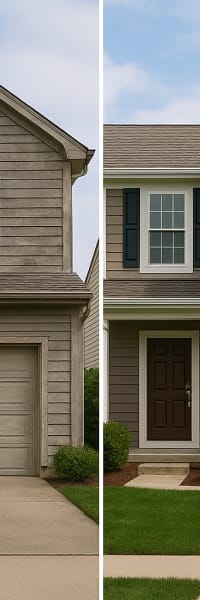
Key Benefits for Property Managers
- Volume contracts save 15-30% vs. one-off pricing
- 24-48 hour unit turn guarantees minimize vacancy loss
- Annual contracts lock in pricing and priority scheduling
- Multi-property coordination ensures portfolio consistency
- Digital documentation streamlines compliance and reporting
- Preferred vendor status reduces administrative overhead
Section 1: Volume Pricing Structures
Volume pricing is the foundation of cost-effective property management painting programs. By committing to annual volume thresholds, property managers unlock significant per-unit savings while gaining priority access to contractor resources during peak turnover seasons.
Tier-Based Discount Structures
Professional painting contractors typically structure volume pricing across multiple tiers, with discounts increasing as annual commitments grow:
| Volume Tier | Annual Units | Discount Range | Additional Benefits |
|---|---|---|---|
| Bronze | 10-24 units | 5-10% off base | Standard scheduling, Net-30 terms |
| Silver | 25-49 units | 10-15% off base | Priority scheduling, dedicated PM |
| Gold | 50-99 units | 15-20% off base | Guaranteed 48-hr response, quarterly reviews |
| Platinum | 100+ units | 20-30% off base | 24-hr guarantee, dedicated crews, custom SLAs |
Calculating Your Volume Tier
When determining your volume tier, include all painting activities across your portfolio:
- Unit turns: Standard move-out/move-in repaints
- Touch-ups: Minor repairs counted as fractional units
- Common areas: Hallways, lobbies, amenities (counted by area equivalent)
- Exterior projects: Building exteriors calculated by square footage
- Emergency work: Same-day requests at standard tier rates
Annual Commitment Benefits
Annual commitments provide advantages beyond simple volume discounts:
Price Protection
- Locked rates for 12-month contract term
- Protection from material cost increases
- Labor rate stability during shortages
- Predictable budgeting for annual planning
- No surprise charges or hidden fees
Resource Priority
- Guaranteed crew availability during peak seasons
- First-call status for emergency requests
- Reserved capacity during summer turnover
- Dedicated account manager assignment
- Direct communication channels
Portfolio Pricing Strategies
Property management companies with multiple properties can leverage their entire portfolio for maximum savings:
- Aggregate volume calculation: Combine units across all managed properties to reach higher tiers
- Master service agreements: Single contract covering entire portfolio simplifies administration
- Property-specific addendums: Customize scope for each property while maintaining master pricing
- Cross-property flexibility: Shift unused capacity between properties as needed
- Consolidated reporting: Single dashboard view of all painting activity portfolio-wide
Pro Tip: Negotiate Portfolio Pricing
When negotiating volume contracts, present your total portfolio volume even if some properties are managed by different regional teams. Contractors value relationship stability and may offer portfolio-wide pricing based on your company's total potential volume, not just current committed units.
Per-Unit Rate Structures
Volume contracts typically establish per-unit rates that vary by scope and unit type:
| Service Type | Studio/1BR | 2BR | 3BR+ |
|---|---|---|---|
| Touch-up only | $175-$275 | $225-$350 | $300-$450 |
| Standard turn | $350-$475 | $450-$600 | $575-$800 |
| Full repaint | $550-$750 | $700-$950 | $900-$1,350 |
| Deep renovation | $850-$1,200 | $1,100-$1,600 | $1,400-$2,200 |
Note: Rates shown reflect Gold tier (50-99 units/year) volume pricing. Actual rates vary by market, property condition, and specific scope requirements.
Section 2: Unit Turn Programs
Unit turn painting is where professional property management painting programs deliver the most immediate ROI. Every day a unit sits vacant costs money - typically $40-$100+ daily depending on rental rates. Fast, quality unit turns directly impact your bottom line while maintaining standards that support premium rents.
24-48 Hour Standard Turnaround
Professional apartment painting contractors with established unit turn programs deliver consistent 24-48 hour turnarounds through systematic processes:
24-Hour Turn Process (Studios/1BR in Good Condition)
Same-Day Emergency Protocols
When prospects are ready to sign but need a unit immediately, same-day emergency turns can make the difference between a signed lease and a lost opportunity:
Same-Day Eligible
- Studios and one-bedroom units
- Minimal wall damage (under 10 patches)
- No major staining or odor issues
- Same color scheme acceptable
- Request received by 10:00 AM
- Unit accessible immediately
Requires Extended Turn
- Smoke or nicotine contamination
- Pet damage requiring sealing
- Extensive drywall repairs needed
- Major color changes (dark to light)
- Water damage or mold remediation
- Texture repairs required
Emergency Turn Premium Pricing
Same-day emergency turns typically carry a 25-50% premium over standard rates due to:
- Crew redeployment from scheduled work
- Expedited material procurement
- Extended hours / overtime if needed
- Dedicated quality control inspection
ROI calculation: A $200 emergency premium vs. 2-3 additional vacancy days ($80-$150/day) makes emergency turns cost-effective for high-rent units.
Quality Standards for Unit Turns
Consistent quality standards ensure every unit meets move-in ready specifications:
| Quality Element | Standard | Verification Method |
|---|---|---|
| Wall coverage | Complete, uniform, no bleed-through | Visual inspection under lighting |
| Patch repairs | Invisible under standard lighting | Angled flashlight test |
| Trim work | Clean lines, no wall overlap | Close visual inspection |
| Ceiling condition | No stains, uniform sheen | Natural daylight inspection |
| Door/frame paint | Smooth, no drips or runs | Touch and visual check |
| Cleanup | No paint on floors, fixtures, windows | Full unit walkthrough |
Documentation Requirements
Professional unit turn programs include comprehensive documentation for compliance, dispute resolution, and quality tracking:
- Before photos: Document pre-existing conditions, damage, and scope verification
- Work order details: Specific scope, materials used, crew assignments, hours worked
- Progress photos: Key stages including prep, first coat, completion
- After photos: All rooms, angles matching before photos for comparison
- Completion certificate: Signed verification of work completed and accepted
- Material records: Color codes, product specifications for future touch-ups
Section 3: Preferred Vendor Programs
Preferred vendor relationships represent the highest level of partnership between property managers and painting contractors. Beyond simple discounts, these programs establish formalized standards, guaranteed service levels, and mutual accountability that benefit both parties.
Qualification Criteria
Preferred vendor status should require contractors to meet rigorous qualification standards:
Business Requirements
- Minimum 5 years in business
- Proper business licensing
- Workers' compensation coverage
- General liability ($1M+ per occurrence)
- Umbrella/excess liability ($2M+ aggregate)
- Positive financial standing verification
- No active lawsuits or liens
Operational Requirements
- Documented quality control processes
- Employee background check policy
- Drug-free workplace certification
- OSHA safety compliance record
- Digital work order systems
- 24/7 emergency contact availability
- Reference verification (5+ similar clients)
Performance Metrics and SLAs
Preferred vendor programs should establish clear, measurable performance standards:
| Metric | Standard SLA | Premium SLA | Penalty/Remedy |
|---|---|---|---|
| Response time | Same business day | Within 2 hours | 5% credit if missed |
| Unit turn completion | 48 hours | 24 hours | $50/day credit per day late |
| Quality acceptance | 95% first-time pass | 98% first-time pass | Free re-work within 24 hours |
| Documentation | Within 24 hours | Same day | Invoice held until received |
| Emergency availability | Next business day | Same day | Alternative contractor authorized |
Insurance and Compliance Requirements
Comprehensive insurance coverage protects both parties and ensures compliance with property owner requirements:
Required Insurance Coverage
- General Liability $1,000,000 per occurrence / $2,000,000 aggregate
- Workers' Compensation Statutory limits required
- Auto Liability $1,000,000 combined single limit
- Umbrella/Excess $2,000,000 - $5,000,000 (varies by portfolio)
- Additional Insured Endorsement Property owner/manager named
Communication Protocols
Clear communication structures prevent misunderstandings and ensure timely project execution:
- Primary contacts: Named account manager and backup contact for both parties
- Work order submission: Standardized process (portal, email, or phone with confirmation)
- Status updates: Automated notifications at key milestones (scheduled, started, completed)
- Issue escalation: Defined path for quality concerns or schedule conflicts
- Emergency protocols: After-hours contact procedures and response expectations
- Regular reviews: Monthly or quarterly performance review meetings
Sample Communication Matrix
| Situation | Contact Method | Response Time |
|---|---|---|
| Standard work order | Portal or email | 4 business hours |
| Urgent unit turn | Phone + email | 1 hour |
| Quality issue | Phone to account manager | Same business day |
| After-hours emergency | Emergency hotline | 30 minutes callback |
Section 4: Annual Maintenance Contracts
Annual maintenance contracts transform painting from a reactive expense into a proactive asset management strategy. By establishing ongoing relationships with defined scope and predictable costs, property managers achieve better budget control while maintaining consistent property appearance.
Scope Definition Strategies
Effective annual contracts clearly define included services and establish processes for handling additional work:
Typically Included
- Projected annual unit turns (based on historical data)
- Quarterly common area touch-ups
- Semi-annual exterior spot repairs
- Emergency response availability
- Color matching and inventory maintenance
- Annual property inspection walks
- Documentation and reporting
Additional Work (Change Orders)
- Deep renovation unit turns
- Major exterior repainting projects
- Damage remediation (smoke, water, vandalism)
- Color scheme changes
- Capital improvement projects
- Work exceeding projected volume
- Special coatings or treatments
Scheduling Flexibility
Annual contracts should accommodate the variable nature of property management painting needs:
- Capacity banking: Unused monthly allocation can roll to following months
- Seasonal adjustments: Higher capacity during summer turnover, reduced in winter
- Priority queuing: Urgent needs jump ahead of routine work
- Flexible scheduling windows: 48-72 hour scheduling flexibility for non-urgent work
- Crew dedication: Option for dedicated crews during high-volume periods
Sample Annual Capacity Allocation
For a 300-unit apartment community with 40% annual turnover (120 units):
| Quarter | Expected Turns | Common Areas | Exterior |
|---|---|---|---|
| Q1 (Jan-Mar) | 20 units | Touch-up cycle | Planning/assessment |
| Q2 (Apr-Jun) | 35 units | Touch-up cycle | Spot repairs begin |
| Q3 (Jul-Sep) | 45 units | Touch-up cycle | Primary exterior work |
| Q4 (Oct-Dec) | 20 units | Touch-up cycle | Complete exterior, interior focus |
Budget Predictability
Annual contracts enable accurate budget forecasting through multiple mechanisms:
Fixed Monthly Payments
Spread annual painting costs across 12 equal monthly payments, eliminating seasonal cash flow spikes and simplifying accounting.
Per-Unit Rate Locks
Locked per-unit rates protect against material cost increases and labor market fluctuations throughout the contract term.
True-Up Provisions
Annual reconciliation compares actual work to projections, with credit or adjustment for significant variances (typically +/- 15% threshold).
Cap Provisions
Maximum annual spend caps protect against unexpected volume increases while maintaining service levels.
Renewal Terms and Escalation
Well-structured contracts address renewal and pricing adjustments:
- Auto-renewal provisions: 30-60 day notice required to terminate or renegotiate
- Annual escalation caps: Typically 3-5% maximum annual increase tied to CPI or material indices
- Multi-year lock options: 2-3 year agreements with graduated pricing in exchange for commitment
- Early termination clauses: Defined process and costs if contract ended early
- Performance-based renewal: Renewal contingent on meeting SLA requirements
Section 5: Multi-Property Coordination
Property management companies overseeing multiple properties face unique coordination challenges. Effective multi-property painting programs require sophisticated logistics, consistent standards, and centralized oversight to deliver uniform quality across the portfolio.
Regional Coverage Models
Multi-property programs can be structured based on geographic distribution and operational needs:
Hub Model
Best for: Concentrated portfolios
- Single central operations base
- Crews deploy daily to properties
- 30-minute travel radius
- Shared equipment and materials
- Highest consistency
Zone Model
Best for: Regional portfolios
- Multiple regional bases
- Dedicated zone crews
- 1-hour travel radius per zone
- Zone-based material staging
- Regional consistency
National Model
Best for: Dispersed portfolios
- Partner network or franchises
- Centralized standards/training
- Local execution
- Virtual oversight
- Scalable coverage
Crew Deployment Strategies
Efficient crew deployment maximizes productivity while minimizing travel costs:
- Property clustering: Schedule adjacent properties on same days to reduce windshield time
- Skill matching: Assign crews based on project requirements (detail work vs. production painting)
- Load balancing: Distribute work evenly to prevent burnout and maintain quality
- Continuity assignment: Same crews return to familiar properties when possible
- Float crews: Flex capacity for peak periods and emergency response
- Cross-training: All crews capable of handling any property type or scope
Sample Weekly Deployment Schedule
| Crew | Monday | Tuesday | Wednesday | Thursday | Friday |
|---|---|---|---|---|---|
| Alpha | Oak Park (3 units) | Oak Park (2 units) | Riverside (4 units) | Riverside (3 units) | Touch-ups/Float |
| Bravo | Sunset Hills (2 units) | Sunset Hills (2 units) | Downtown Lofts (1 unit) | Downtown Lofts (1 unit) | Common areas |
| Charlie | Exterior - Oakwood | Exterior - Oakwood | Exterior - Oakwood | Exterior - Oakwood | Exterior - Oakwood |
Consistency Standards
Maintaining consistent quality across multiple properties requires documented standards and training:
Property Specifications
- Property-specific color palettes documented
- Standard materials and products specified
- Finish schedules by room type
- Acceptable prep work standards
- Quality acceptance criteria
- Photography and documentation requirements
Crew Training
- Standardized onboarding program
- Property-specific orientation
- Quality control training
- Customer service expectations
- Safety protocol certification
- Digital systems training
Quality Control Systems
Multi-property quality control requires systematic inspection and feedback processes:
- Self-inspection checklists: Crews complete quality checks before signing off work
- Supervisor spot-checks: Random verification of completed work by supervisors
- Property manager walk-throughs: Joint inspections with property staff
- Photo documentation: Before/after galleries for every unit and project
- Satisfaction surveys: Feedback collection from on-site teams
- Defect tracking: System to log, track, and resolve quality issues
- Performance scorecards: Crew-level quality metrics reviewed monthly
Section 6: Reporting and Documentation
Comprehensive reporting and documentation systems are essential for property management painting programs. Beyond compliance requirements, robust documentation supports budget management, vendor accountability, and operational efficiency improvements.
Project Tracking Systems
Modern property management painting programs leverage digital systems for real-time visibility:
Essential Tracking Capabilities
- Work order management: Submit, track, and close work orders digitally
- Status dashboards: Real-time view of all active and pending projects
- Calendar integration: Scheduled work visible in property management calendars
- Mobile access: On-site teams can update status and access information
- Notification alerts: Automated updates at key milestones
- Historical records: Searchable archive of all past work
Photo Documentation Standards
Standardized photo documentation protects both parties and supports quality verification:
Before Photos (Required)
- Overall room/area view
- Close-ups of damage or issues
- Wall conditions with lighting visible
- Ceiling and trim condition
- Any pre-existing damage documented
- Timestamp and geo-location embedded
After Photos (Required)
- Matching angles to before photos
- Close-ups of repaired areas
- Trim and detail work
- Clean floors and protected surfaces
- Final unit/area presentation
- Timestamp and geo-location embedded
Photo Documentation Best Practices
- Consistent lighting: Use natural light when possible, avoid flash shadows
- Clear focus: Ensure images are sharp and clearly show condition
- Systematic coverage: Follow standard room-by-room sequence
- Immediate upload: Photos uploaded same-day before leaving property
- Naming conventions: Property-Unit-Date-Sequence format for easy retrieval
Completion Reports
Completion reports provide the official record of work performed:
| Report Element | Purpose | Delivery Timeline |
|---|---|---|
| Work order closure | Confirms scope completed as specified | Same day as completion |
| Photo gallery | Visual verification of work quality | Within 24 hours |
| Material documentation | Product codes for future touch-ups | With completion report |
| Warranty certificate | Documents coverage terms and duration | With invoice |
| Exception notes | Documents any scope changes or issues | As needed during project |
Budget Reconciliation Reports
Regular budget reporting enables proactive financial management:
- Monthly summaries: Work completed, costs incurred, budget remaining
- Property-level breakdowns: Spending by property for portfolio-wide comparison
- Unit turn analytics: Average cost per turn, trends over time
- Variance reporting: Comparison to budget projections with explanations
- Forecast updates: Projected year-end spending based on current trends
- Cost-per-square-foot metrics: Benchmarking for efficiency analysis
Sample Monthly Executive Summary
Integration with Property Management Systems
Modern painting contractors integrate with property management platforms for seamless data flow:
- Work order sync: Automatic creation of painting work orders from make-ready lists
- Schedule visibility: Painting schedules visible in unit availability calendars
- Status updates: Real-time completion status flows back to PM system
- Invoice integration: Automated invoice import for streamlined AP processing
- Document attachment: Photos and reports linked to unit records automatically
Frequently Asked Questions
How much can property managers save with volume painting contracts?
Property managers typically save 15-30% on painting costs through volume contracts. Tier-based pricing starts with 10-15% discounts at 25+ units annually, scaling to 20-30% savings at 100+ units. Additional savings come from locked annual pricing, priority scheduling that reduces vacancy costs, and consolidated billing efficiencies.
What is included in a preferred vendor painting program?
Preferred vendor programs include: guaranteed response times (24-48 hour unit turns), dedicated account management, fixed annual pricing, priority scheduling, certificate of insurance on file, pre-approved W-9 and payment terms, quarterly property inspections, color consistency documentation, and same-day emergency availability. Programs also include performance tracking and quality guarantees.
How fast can unit turn painting be completed?
Standard unit turn painting takes 24-48 hours for most apartments. Same-day emergency turns are available for studios and one-bedrooms in good condition. Deep renovation protocols requiring smoke remediation, extensive patching, or full repaints take 3-5 days. Volume contract clients receive priority scheduling with guaranteed turnaround times.
What documentation do professional painting contractors provide?
Professional painting contractors provide comprehensive documentation including: before/after photo galleries, detailed work orders with scope descriptions, completion certificates, material specifications and color codes, warranty documentation, budget tracking reports, unit-by-unit cost breakdowns, and digital records accessible through property management portals.
How do annual maintenance contracts benefit property managers?
Annual maintenance contracts provide budget predictability with fixed pricing, guaranteed availability during peak turnover seasons, quarterly inspection visits to identify touch-up needs, priority emergency response, accumulated volume discounts, simplified vendor management with single invoicing, and historical color matching for consistent property appearance.
Property Management Painting Specialists
At Moorhouse Coating, we understand the operational demands of property management painting. Our property management painting programs deliver volume pricing, guaranteed turnarounds, and comprehensive documentation that simplifies your operations. Whether you manage a single property or a multi-state portfolio, we have programs designed to meet your needs.
Get Volume Pricing QuoteRelated Resources
Property Management Painting
Complete property management painting solutions
Apartment Complex Painting
Multi-family painting services and programs
Curb Appeal and Leasing
Maximizing property appeal and occupancy
Exterior Commercial Painting
Building exterior painting services
Interior Commercial Painting
Interior painting and finishing
Commercial Painting Costs
Detailed pricing and budgeting guide
Choosing a Contractor
Complete contractor selection guide
HOA Painting Services
Community and HOA painting solutions
Project Case Studies
Property management project examples