Abrasive Media Comparison Guide
Compare steel grit, garnet, aluminum oxide, glass beads, and crushed glass for surface preparation applications
| Service Type | Surface Profile | Substrate Compatibility | Reusability | Dust Generation | Cost per Pound | Best SSPC Standard | Price Range | Timeframe |
|---|---|---|---|---|---|---|---|---|
| Steel Grit Angular steel particles for aggressive profile on steel substrates | 2.5-4.5 mils (aggressive) | Steel, iron, heavy metals | 50-200 cycles | Low | $0.40-0.60 | SP-10 Near-White |
$0.4 - $
0.6
per lb | Fastest cutting rate |
| Garnet Natural mineral abrasive for versatile surface preparation | 1.5-3.0 mils (moderate) | Steel, aluminum, concrete, fiberglass | 1-3 cycles | Low to moderate | $0.15-0.30 | SP-6 to SP-10 |
$0.15 - $
0.3
per lb | Moderate cutting rate |
| Aluminum Oxide Synthetic abrasive for precision profiling and cleaning | 1.0-3.0 mils (precision) | All metals, composites, precision parts | 20-50 cycles | Moderate | $0.80-1.50 | SP-6 to SP-10 |
$0.8 - $
1.5
per lb | Moderate cutting rate |
| Glass Beads Spherical glass media for peening and light cleaning | 0.5-1.5 mils (minimal) | All metals, delicate surfaces | 10-30 cycles | Very low | $0.30-0.60 | SP-7 Brush-Off |
$0.3 - $
0.6
per lb | Slow cleaning rate |
| Crushed Glass Recycled glass media for eco-friendly surface preparation | 1.5-3.0 mils (moderate) | Steel, concrete, masonry | Single use | Low (silica-free) | $0.08-0.15 | SP-6 to SP-10 |
$0.08 - $
0.15
per lb | Moderate cutting rate |
Steel Grit
Angular steel particles for aggressive profile on steel substrates
Features:
Price Range:
$0.4 - $ 0.6 per lb
Best For:
- • Heavy rust removal
- • Mill scale removal
- • Industrial steel structures
Pros:
- + Most aggressive cutting action
- + Highly reusable and economical
- + Low dust generation
- + Consistent angular profile
Cons:
- - Not for soft metals or masonry
- - Requires magnetic separation
- - Can embed in aluminum
Garnet
Natural mineral abrasive for versatile surface preparation
Features:
Price Range:
$0.15 - $ 0.3 per lb
Best For:
- • Shipyards
- • Bridge maintenance
- • Multi-substrate projects
Pros:
- + Versatile for multiple substrates
- + Environmentally friendly (natural mineral)
- + Low dust and low embedment
- + Good for waterjet cutting
Cons:
- - Limited reusability
- - Moderate cutting speed
- - Higher consumption rate
Aluminum Oxide
Synthetic abrasive for precision profiling and cleaning
Features:
Price Range:
$0.8 - $ 1.5 per lb
Best For:
- • Aerospace components
- • Precision equipment
- • Aluminum surfaces
Pros:
- + Hardest common abrasive
- + Excellent for precision work
- + Consistent particle size
- + Good reusability
Cons:
- - Higher material cost
- - More dust than steel
- - Overkill for heavy rust
Glass Beads
Spherical glass media for peening and light cleaning
Features:
Price Range:
$0.3 - $ 0.6 per lb
Best For:
- • Stainless steel
- • Automotive restoration
- • Decorative finishes
Pros:
- + Gentle on substrates
- + Creates peened finish
- + Low embedment
- + Ideal for cosmetic cleaning
Cons:
- - Minimal profile generation
- - Not for heavy coatings
- - Slower removal rate
Crushed Glass
Recycled glass media for eco-friendly surface preparation
Features:
Price Range:
$0.08 - $ 0.15 per lb
Best For:
- • Large outdoor projects
- • Concrete preparation
- • Budget-conscious work
Pros:
- + Lowest cost abrasive
- + Silica-free (safer)
- + Environmentally friendly (recycled)
- + Good cutting action
Cons:
- - Single use only
- - Inconsistent particle shape
- - Higher consumption
Need Help Choosing the Right Service?
Our experts will assess your needs and recommend the best solution for your property.
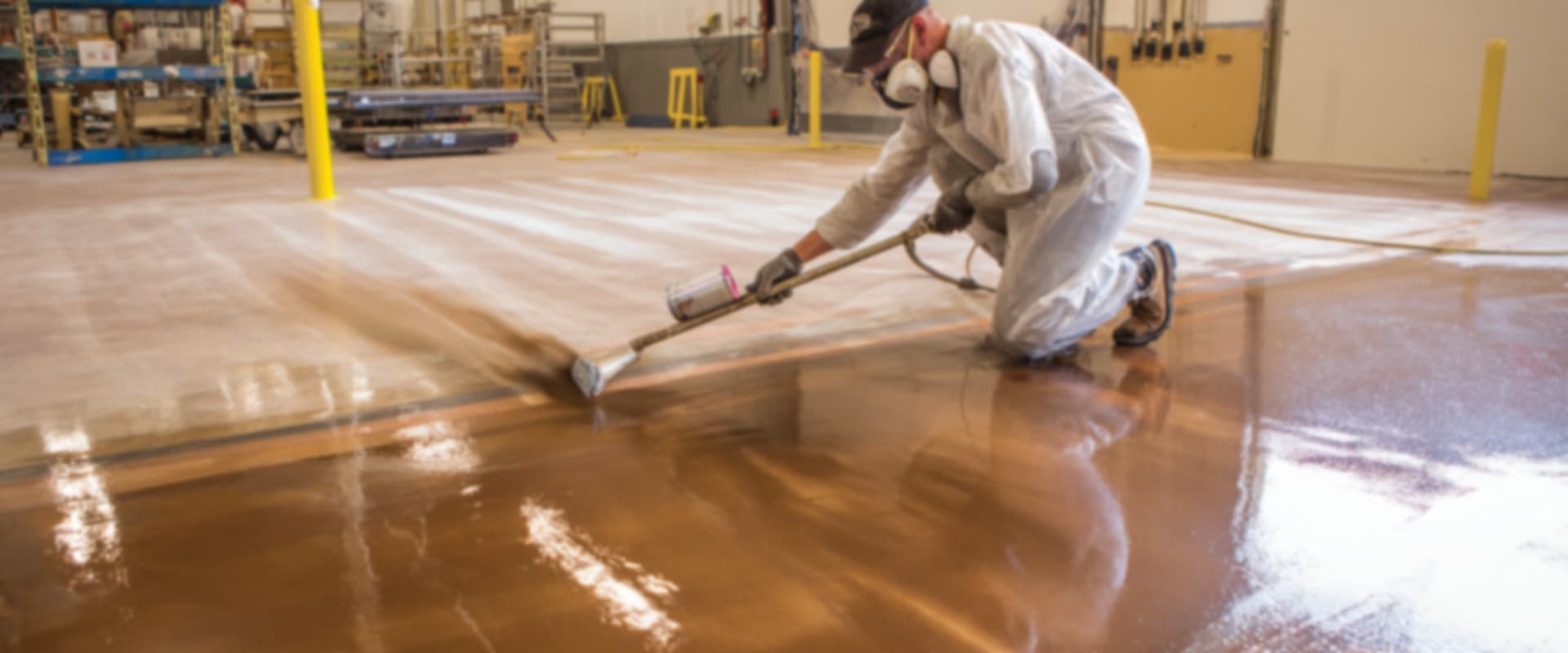
Professional Media Blasting & Abrasive Surface Preparation
Industrial-grade surface preparation using advanced abrasive blasting techniques. Complete containment systems, environmental compliance, and expert surface profiling for optimal coating performance.
What is media blasting?
Quick Answer: Media blasting is a controlled abrasive process using dry ice, walnut shell, glass bead, or steel grit to remove failed coatings, corrosion, and contaminants from substrates. It creates the anchor profile required for coating adhesion without damaging base metal, delivering longer coating lifespan, improved adhesion, and SSPC compliance across tanks and structural steel.
What is media blasting?
Quick Answer: Media blasting is a controlled abrasive surface preparation process using dry ice, walnut shell, glass bead, or steel grit media selected to match substrate hardness. It removes failed coatings, mill scale, and corrosion without damaging base metal, creating the anchor profile required for long-lasting industrial coating system adhesion.
Expert Abrasive Blasting Services
Moorhouse Coating provides professional surface preparation services for industrial, marine, and infrastructure applications. Our SSPC-QP1/QP2 certified crews deliver consistent results using the right media, equipment, and techniques for your specific substrate and coating requirements.
From heavy rust removal on structural steel to precision cleaning of aerospace components, we select optimal blasting media and control all variables to achieve specified cleanliness standards and surface profiles. Our comprehensive containment systems protect workers, the environment, and surrounding areas while ensuring regulatory compliance.
Every project includes detailed documentation—surface profile measurements, cleanliness verification, environmental monitoring, and photographic records—providing the quality assurance your coating manufacturer and facility require.
Blasting Capabilities
- SSPC SP-5, SP-10, SP-6, SP-7 cleanliness standards
- 15+ media types for all substrates and profiles
- Full environmental containment and dust control
- EPA RRP certified for lead paint removal
- Wet and dry blasting methods available
- Complete documentation and quality verification
- 24/7 emergency response availability
Media Blasting Applications
Industrial Facilities
Heavy equipment, structural steel, & machinery requiring aggressive surface preparation for protective coating systems.
Marine & Offshore
Ship hulls, offshore platforms, & marine equipment needing salt and corrosion removal for protective coatings.
Bridge & Infrastructure
Highway bridges, overpasses, & public infrastructure requiring lead paint removal and surface preparation.
Water Treatment Plants
Tanks, pipelines, & processing equipment needing contamination removal and surface profiling for specialized coatings.
Power Generation
Power plants, substations, & energy facilities requiring surface preparation for high-performance protective systems.
Manufacturing Plants
Production equipment, structural elements, & machinery requiring surface preparation for industrial coating applications.
Abrasive Media Comparison
| Media Type | Profile Range | Best For | Reusability | Cost/lb |
|---|---|---|---|---|
| Steel Grit | 2.5-4.5 mils (aggressive) | Heavy rust removal | 50-200 cycles | $0.40-0.60 |
| Garnet | 1.5-3.0 mils (moderate) | Shipyards | 1-3 cycles | $0.15-0.30 |
| Aluminum Oxide | 1.0-3.0 mils (precision) | Aerospace components | 20-50 cycles | $0.80-1.50 |
| Glass Beads | 0.5-1.5 mils (minimal) | Stainless steel | 10-30 cycles | $0.30-0.60 |
| Crushed Glass | 1.5-3.0 mils (moderate) | Large outdoor projects | Single use | $0.08-0.15 |
Media Blasting FAQs
Q1:
What types of abrasive media are used for different surfaces?
Media selection depends on substrate material, required surface profile, and coating specifications. Steel grit (G25-G40) provides aggressive profiles for heavy rust on steel. Garnet (30-80 mesh) works well for aluminum, fiberglass, and multi-substrate projects. Aluminum oxide suits precision aerospace work. Glass beads create smooth peened finishes for stainless steel. Crushed glass offers an economical, silica-free option for concrete. We analyze your substrate and coating requirements to select optimal media.
Q2:
Is media blasting safe for the environment and workers?
Yes, when performed with proper controls. We implement full containment systems capturing all media and debris, preventing environmental contamination. HEPA-filtered dust collection maintains air quality. Workers use supplied-air respirators, blast hoods, and hearing protection. We avoid silica sand (causes silicosis) in favor of safer alternatives. All waste is properly characterized and disposed of according to EPA regulations. For lead paint removal, we follow EPA RRP requirements with additional containment and worker monitoring.
Q3:
Can media blasting damage the underlying substrate?
When performed by trained professionals with proper equipment, media blasting is safe for substrates. We control multiple variables: air pressure (typically 80-100 PSI for steel, 40-60 PSI for aluminum), nozzle distance (12-18 inches optimal), blast angle (70-90 degrees), and media selection. Softer substrates like aluminum, fiberglass, or thin metals require gentler media (glass beads, plastic media) and reduced pressure. Our experienced operators continuously assess the surface to prevent over-blasting while achieving specified profiles.
Q4:
What surface profile can be achieved with media blasting?
Surface profile (anchor pattern) ranges from 0.5 to 5+ mils depending on media type, pressure, and technique. Standard industrial coatings typically require 2-3 mil profiles (achieved with garnet or steel grit at moderate pressure). Heavy-duty epoxy and zinc-rich primers need 2.5-4 mil profiles. Thin-film coatings may only need 1-1.5 mil profiles (glass beads or fine aluminum oxide). We verify profile using SSPC comparators or replica tape, documenting measurements for quality records and coating manufacturer compliance.
Q5:
How do you handle containment during blasting operations?
Containment systems vary by project scope and location. Indoor facilities use full enclosures with negative air pressure (maintaining 0.03 inches WC negative), HEPA filtration, and dust collection. Outdoor projects employ tarp enclosures, ground covers, and portable dust collectors. For hazardous materials (lead paint), we install double-layer containment, air monitoring, and decontamination stations. Bridge and elevated work uses specialized scaffolding enclosures. All containment is designed to capture 100% of blast media and debris for proper disposal.
Q6:
What's the difference between wet and dry media blasting?
Dry blasting uses compressed air and abrasive media for maximum cleaning power and surface profiling—ideal for heavy rust, mill scale, and coating removal. Wet blasting (vapor blasting or dustless blasting) adds water to reduce dust by 90%+, making it suitable for occupied areas, sensitive environments, or where dust control is critical. Wet blasting provides gentler cleaning for delicate surfaces and eliminates static discharge risks. Trade-offs include potential flash rusting on steel (requiring rust inhibitors) and slightly slower production rates.
Q7:
What SSPC standards apply to media blasting?
SSPC (Society for Protective Coatings) standards define cleanliness levels: SP-5 (White Metal) removes all visible rust, mill scale, and coatings—used for immersion service. SP-10 (Near-White Metal) removes 95%+ of contaminants—standard for industrial coatings. SP-6 (Commercial Blast) removes most visible contamination—acceptable for many architectural coatings. SP-7 (Brush-Off Blast) removes loose material only. SP-14 defines industrial blast standards. We document achieved cleanliness with visual standards and provide photographic verification for each project.
Q8:
How much does media blasting cost per square foot?
Media blasting costs range from $1.50-$6.00 per square foot depending on: substrate condition (heavy rust vs. light oxidation), required cleanliness level (SP-5 vs. SP-6), containment requirements (open vs. enclosed), access difficulty (ground level vs. elevated), and hazardous material presence (lead paint adds $2-4/sq ft). Standard industrial steel blasting to SP-10 typically costs $2.50-$4.00/sq ft. Prices include media, labor, containment, and waste disposal. We provide detailed estimates after site inspection.
Q9:
Can you blast surfaces with lead-based paint?
Yes, we're EPA RRP certified for lead paint removal with extensive experience on pre-1978 structures. Lead blasting requires specialized protocols: Type 3 containment (full enclosure with negative pressure), worker medical monitoring, air sampling, HEPA filtration, and proper waste characterization and disposal. We perform XRF testing to confirm lead presence and levels before work begins. All lead waste is manifested and transported to licensed disposal facilities. Complete documentation is provided for regulatory compliance and property records.
Q10:
How long does a typical media blasting project take?
Project duration depends on surface area, condition, and cleanliness requirements. Production rates vary: 100-200 sq ft/hour for heavy rust to SP-10, 200-400 sq ft/hour for light oxidation to SP-6. A 10,000 sq ft steel structure typically requires 3-5 days including setup, blasting, and cleanup. Factors affecting timeline include: containment installation (1-2 days), weather conditions (outdoor work), access challenges, and coordination with coating application (primer within 8 hours of blasting to prevent flash rust). We provide detailed schedules during estimation.
Q11:
What certifications should a media blasting contractor have?
Professional blasting contractors should hold: SSPC-QP1 (Field Application) and QP2 (Shop Application) certifications demonstrating quality systems. NACE/AMPP coating inspector certifications (CIP Level 2+) ensure proper quality control. EPA RRP certification is required for lead paint work. OSHA 10/30 hour training covers general safety. State contractor licensing with proper insurance coverage is essential. Our crews maintain all required certifications and participate in ongoing training to stay current with evolving standards and technologies.
Q12:
What surfaces can be prepared with media blasting?
Media blasting prepares virtually any hard surface: steel and iron (structural, tanks, equipment), aluminum and non-ferrous metals (with appropriate media), concrete and masonry (surface profiling, coating removal), fiberglass and composites (gel coat removal, repair prep), wood (paint stripping, surface cleaning), and stone (restoration, cleaning). Each material requires specific media selection and pressure settings. We evaluate your substrate and recommend appropriate blasting methods, or alternative preparation techniques when blasting isn't suitable.
Q13:
How do you prevent flash rusting after blasting steel?
Flash rusting (oxidation within hours of blasting) is prevented through: immediate primer application (within 4-8 hours maximum, same day preferred), humidity control (maintain below 85% RH, substrate 5°F above dew point), rust inhibitor application (temporary protection when immediate coating isn't possible), dehumidification equipment (for enclosed spaces), and proper scheduling (blast only what can be primed same day). We monitor environmental conditions continuously and coordinate closely with coating crews to ensure primer application within the critical recoat window.
Q14:
What personal protective equipment is required for blasting?
Complete PPE for blasting operations includes: NIOSH-approved supplied-air respirator or pressure-demand airline respirator, blast hood with replaceable lens, leather or heavy-duty gloves, hearing protection (noise levels exceed 100 dB), full-body protective suit (leather or canvas), steel-toed boots, and dead-man switch. Support personnel within blast areas need respiratory protection and hearing protection. We supply all required PPE and conduct daily equipment inspections. Workers are trained in proper use, maintenance, and emergency procedures.
Q15:
Can media blasting be done in cold weather?
Yes, but cold weather requires additional considerations: steel temperature must be 5°F above dew point to prevent condensation and flash rust—heated enclosures may be necessary. Air lines need adequate moisture separation as cold air holds less moisture but compressed air generates condensation. Some coatings have minimum application temperatures (typically 40-50°F). Production rates may decrease due to worker comfort and equipment performance. We adjust procedures for winter work including heated staging areas, heated enclosures when needed, and optimized scheduling around temperature windows.
Have more questions? Contact our experts or call (855) 666-2628
Related Services
Surface Preparation
Comprehensive surface preparation services including mechanical and chemical methods for optimal coating adhesion.
Industrial Painting
High-performance protective coatings for industrial environments requiring superior durability and corrosion resistance.
Corrosion Protection
Advanced corrosion prevention systems for steel structures, tanks, and industrial equipment.
Professional Media Blasting for Superior Results
Get expert surface preparation with advanced media blasting techniques and complete environmental compliance. Free on-site assessment.